

Cabin Bunk Bed
A bunk bed is made up of two beds stacked on top of each other. It is popular in small spaces.
Both loft beds and bunk beds raise mattresses above the floor, which allows more space to be used to store other furniture. But there are some important differences between the two.
Space-saving Convenience
Many bunk beds for cabins come with storage solutions built into them to provide an efficient and practical solution for bedrooms with small spaces. This design will eliminate the need for separate dressers and nightstands, allowing you to use more space on the floor for other furniture items, such as desks or sofas. Unlike traditional wooden bunks, which can be heavy and require complicated installation, these modern metal bunks are designed to fit into most rooms with ease.
A bunk bed with a built-in desk is perfect for kids who want to work on their creative projects in their own space. Bunk beds that have desks can also aid in keeping kids organized by keeping their books, homework and other gadgets in one spot. The desk can be put away when not being used and the room can be left for play or other activities.
Shelving units that run along a side of the bunk make an excellent space to store clothes, toys and other bedroom accessories. This is an alternative to the traditional toy box. It can be custom-built in the frame of the bed to provide height for taller adults and children. Nicole Fisher from BNR Interiors added shelves to her bunks in order to give her bedroom an exclusive aesthetic, functional and feminine feel.
Another option is to build an unintentional nook in the raised lower bunk. This is a great space to store large board games and toys in a safe place, away from view until they are needed. i loved this can be curtained to create a cozy area to read in a girl's bedroom or as a fun hideaway.
A bunk bed with a closet is ideal for siblings who share the bedroom. It lets them store their own clothing and other accessories in a convenient place without taking up precious space. The bunk beds can be outfitted with dividers for privacy and to create separate spaces for each child. These dividers can be customized with a variety of fabrics that reflect the style of each child's bedroom.
Lightweight
Bunk beds tend to be lighter than traditional frames since they don't require boxes springs and other bulky materials. This makes them easier to move around and more suitable for smaller spaces or areas that need a more lightweight alternative. Metal bunk beds also offer a clean, contemporary appearance that can be a perfect match for any design style.
Cabin bunk beds are designed to be bug-proof. They don't have any warm or hard to spot crevices in which bed bugs and other pests like termites and mice can be able to hide. They are a great choice for families who have had infestations or are concerned about the possibility of one in the near future.
The concept of TU Delft uses the space in an economy cabin to offer passengers beds above their seats. The company claims that the beds are able to be accessible by older passengers as long as they enter them head-first. The beds are also comfortable and do not hinder with evacuation procedures.
If you're concerned about privacy, a number of bunk beds have curtains that help to maximize the amount of privacy available to each child. Many designs also feature niches or other features to aid in privacy. This is particularly true for the upper bunk. Some people opt to put sleeping bags on the top bunk to make bed more comfortable and to keep it clean. These can be purchased at a variety of shops or on the internet and are a great option to make the bed more inviting and comfortable for children.
Easy to Assemble
If you're planning to furnish a relaxing retreat for your vacation or an efficient hunting cabin bunk beds are the ideal solution for reducing space. Bunk beds come in different sizes, from twin-over-twin to full-size twin-over-twin. Each type of bed offers larger sleeping capacity. Wooden bunk beds can be difficult to move and store as they are heavy, have many pieces and require a complicated assembly. ESS metal bunk beds are sleeker and smaller, making them much easier to assemble and to move around your home.
Many bunk beds for cabins can be customised to match your style. You can choose from a variety of finishes and stain colors. Some models come with a simple assembly guide that will aid you in assembling your new bunk bed in less time.
If you want a rustic design that's ideal for a cabin choose a wooden bunk bed that has a sturdy ladder. Or opt for the clubhouse bunk, which creates a fun kids' play space. These DIY or store bought clubhouse bunks mix ready-made pieces with DIY components to create a unique look.
Some bunk bed brands provide optional accessories, such as drawers or shelves that can be used to store things and add functionality to your kids' bedroom. This lets you efficiently store bedding, clothing and books even when they are not being used. This space-saving feature can make a big difference in keeping your child's bedroom neat and tidy.
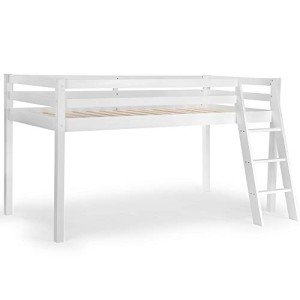
Consider a loft bed or single cabin bed if would like a bunk bed that is simpler to put together than a traditional wood one. These beds do not require a ladder to reach the top bunk, and they are also tall enough to accommodate a trundle as well as storage drawers below. These beds are also popular with older children and teens, as they provide the privacy of a bunk bed but without the extra height that's more suited to younger kids.
Bed Bug Resistant
Bed bugs can be a nightmare for summer camp, especially when you have lots of turnover. They are notoriously hitchhikers and travel from person to person on luggage, clothes or bedding.
Once inside your camp cabins they seek out hiding spots near places that sleep people, such as mattresses, box springs and beds frames. They can also be found in blankets, cushions and curtains.
These creatures are active during night, and they can remain unnoticed in a specific area for weeks or months before being discovered. They can fit into small crevices and are adept at climbing walls and ceilings. They can even climb wood cabin walls in a matter of seconds.
While it's not possible to stop all bed bug infestations, there are a few things you can do. You can purchase special mattress encasements that have been tested in labs to be resistant to bed bugs. You could also consider investing in sealant and wire mesh to block any cracks or crevices in which bed bugs may be hiding, such as those that are found on the edges of a wooden frame.
In addition, you can instruct your staff to use a flashlight when checking bedding and pillows for bed bugs and their rust-colored excrement. These tiny dark spots, which are no larger than a period are easily missed if the area in question is covered in sheets or is very light. A LED flashlight will make the cleaning process more efficient.
If you find signs of a bed bug problem, you'll need to take action quickly. These pests multiply fast, and once they start biting campers and leaving welts behind can be extremely itchy and unpleasant. In addition, they can cause a variety of medical problems like headaches, fever, and nausea. If you notice these symptoms, you'll have to stop all future cancellations.